Why Pakistani Homes Look Cluttered (And Exactly How to Fix It)
If you have ever looked at your home and thought ‘why does it always look messy even when it is clean?’ — this blog is for you. And trust us, you are not alone. Almost every Pakistani household struggles with this exact problem.
This is the blog that nobody in Pakistani home decor is willing to write. Most blogs show you beautiful homes and tell you to buy more things. This one is going to tell you the truth — and the truth is that most Pakistani homes look cluttered not because they are dirty or because the family has bad taste, but because of a set of very specific, very fixable habits and choices that almost every Pakistani household makes.
We are going to go through each one honestly. Some of these might sting a little. But by the end of this blog you will know exactly what to change and how to change it — and your home will look better for it.
| “A clean home and a beautiful home are not the same thing. You can have both — but they require different efforts.” |
Problem 1: Too Many Things on Every Surface
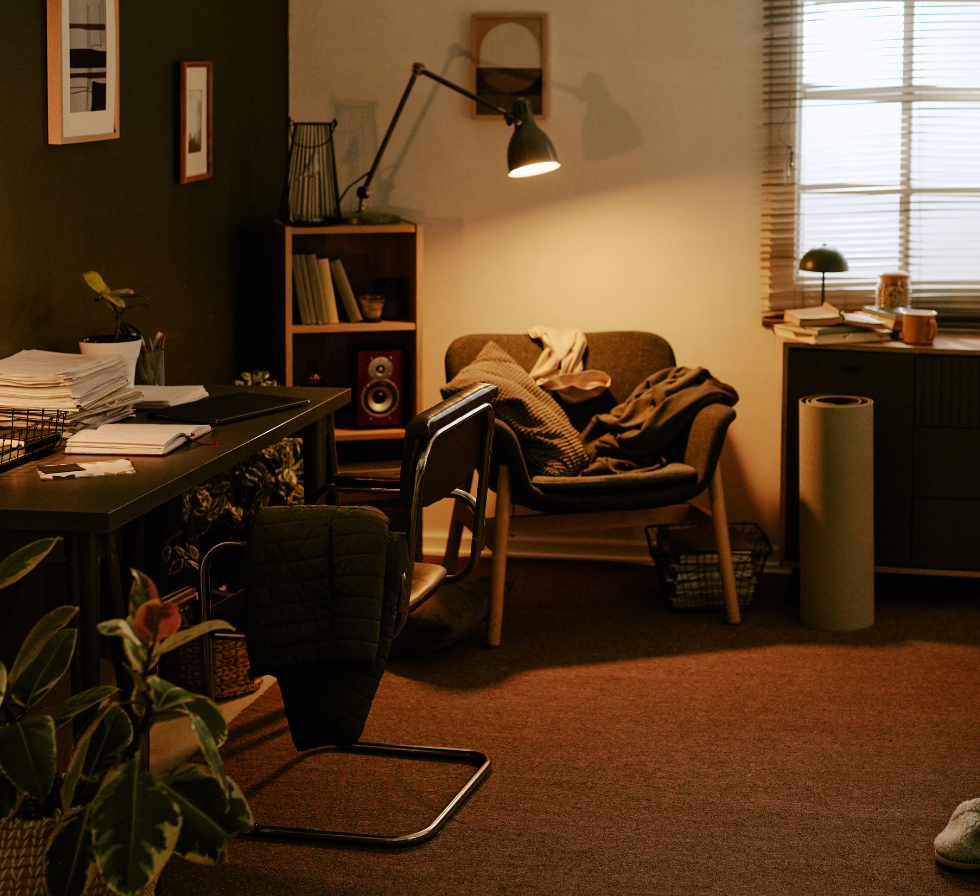
Walk through your drawing room right now and count the number of objects on your coffee table, your side tables, your TV console and your shelves. If the number is more than 10 across all surfaces you have identified your first problem.
Pakistani homes have a cultural tradition of displaying — gifts from relatives, souvenirs from trips, religious items, family photos, decorative pieces collected over years. Each individual item has meaning and memory attached to it. But collectively, on every surface of every room, these items create a visual noise that the brain reads as chaos even when everything is technically clean.
| The Fix: The Half Rule |
| Take everything off one surface. Then put back only half of what was there. Select the most meaningful or most beautiful half. Store the rest. You will be shocked at how much better the same room looks with the same furniture and the same items — simply with less of them visible at one time. Rotate items seasonally if you cannot bear to store them permanently. |
Problem 2: Furniture That Is Too Big for the Room
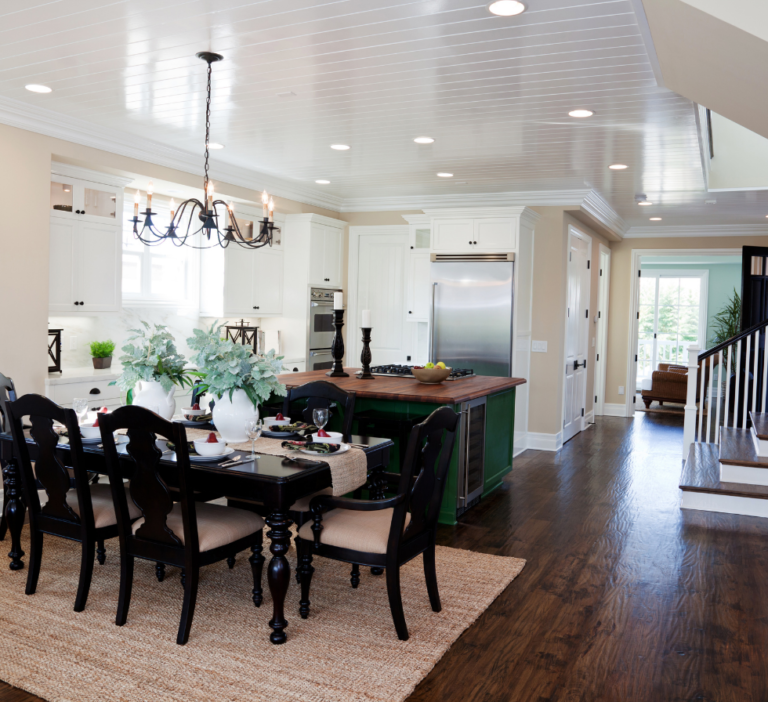
This is the most common problem in Pakistani urban homes — particularly in Karachi, Lahore and Islamabad where apartment and house sizes have been shrinking while furniture tastes have not. The large L-shaped sofa that looks beautiful in the showroom, the massive dining table, the oversized bedroom wardrobe — in a smaller room these pieces eat all the available space and make the room feel suffocating.
Pakistani culture places enormous importance on having enough seating for guests which is completely understandable. But a drawing room crammed with sofas for 20 people that is used by a family of 4 every day is sacrificing daily comfort for occasional hospitality.
| The Fix: Right-size your furniture |
| The sofa should leave at least 45 centimetres of walking space on all sides. The dining table should seat your family comfortably with room for 2 to 4 extra guests — not the entire extended family. When furniture fits the room properly everything else falls into place naturally. |
Problem 3: No Defined Storage — Everything Is Visible
Pakistani homes generate a lot of daily life items — children’s school bags, prayer items, medicine, remote controls, phone chargers, seasonal items, extra bedding — and almost none of these have a designated place to live. So they live on surfaces. On chairs. On the corner of the sofa. On the dining table.
This is not a cleanliness problem. It is a storage problem. And it is extremely common in Pakistani homes where storage furniture is expensive and the habit of buying beautiful storage solutions has not yet fully taken hold.
| The Fix: Every item needs a home |
| A beautiful woven basket next to the sofa for remote controls, chargers and small daily items. A basket in the bedroom corner for extra bedding. A tray on the dining table for things that land there. A basket at the entrance for school bags and shoes. Beautiful storage removes clutter from sight while adding to the decor. |
Problem 4: Too Many Competing Colours
When you walk into a room and your eye does not know where to rest first — that is a colour problem. Pakistani drawing rooms often contain a blue sofa, a floral patterned rug, orange cushions, a green plant, red curtains and cream walls. Each item was bought separately and made sense on its own. Together they create visual exhaustion.
Pakistani bazaars and home stores are full of bright, beautiful, individually attractive items. The challenge is that most Pakistani families buy pieces they love individually without thinking about how they work together in the same room. The result is a room that looks busy even when it is spotless.
| The Fix: The 3-colour rule |
| Choose 3 colours for your drawing room and never deviate from them. One dominant colour (walls, large furniture), one secondary colour (curtains, rug), one accent colour (cushions, small decor pieces). Everything you buy from this point forward must fit within these 3 colours. The transformation is immediate and dramatic. |
Problem 5: Curtains That Are Too Short or Too Thin
This one single change can transform a room more than almost any other. Curtains that hang from the ceiling to the floor, in a heavy fabric that pools slightly at the bottom, make a room look taller, grander and more deliberate than any furniture purchase you could make. Curtains that hang from the window frame to just below the window sill — which is unfortunately the most common installation in Pakistani homes — make even a large room look small and incomplete.
It is one of the most impactful and yet most overlooked home decor decisions in Pakistan.
| The Fix: Hang them high, hang them long |
| Install your curtain rod as close to the ceiling as possible — not just above the window frame. Let the curtains fall to the floor. If your current curtains are not long enough, add a border at the bottom in a complementary fabric. This one change makes any room look twice as expensive and twice as intentional. |
Problem 6: Lighting That Is Too Harsh
Pakistani homes overwhelmingly rely on single overhead fluorescent or LED tube lights. These lights illuminate the room evenly from above which creates flat, harsh, shadowless light that makes even beautiful rooms look like a hospital waiting room. There is no warmth, no mood and no atmosphere.
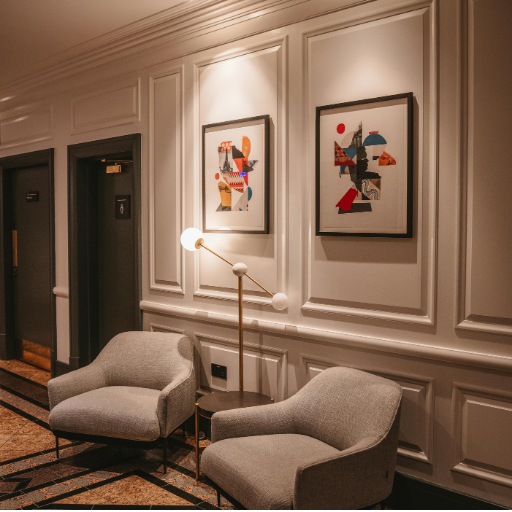
Compare this to the warm, multi-source lighting in any hotel lobby or upscale restaurant you have visited — floor lamps in corners, table lamps on side tables, warm bulbs rather than white. The same furniture in warm light looks five times more beautiful than in harsh white overhead light.
| The Fix: Add warm light sources |
| You do not need to rewire anything. Simply add a floor lamp in one corner of your drawing room with a warm yellow bulb. Add a table lamp on a side table. Change your existing bulbs to warm white (2700K to 3000K). Turn off the overhead light in the evening and use these lamps instead. You will not believe it is the same room. |
Problem 7: Walls That Are Either Empty or Overloaded
Pakistani homes tend to go to one of two extremes with their walls. Either completely bare white walls that feel cold and unfinished, or walls covered from top to bottom with frames, calligraphy, clocks, air conditioning units and random items with no visual coherence. Both extremes feel wrong for the same underlying reason — there is no intention behind the wall treatment.
| The Fix: One feature wall, three simple walls |
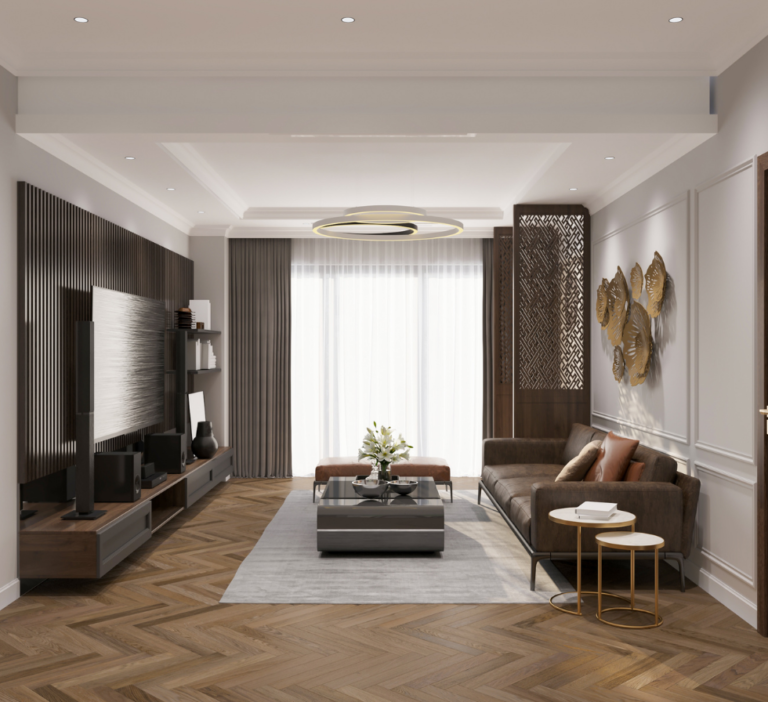
| Pick the most visible wall in your drawing room — usually behind the sofa. Style this wall intentionally with a curated collection of 3 to 5 items arranged as a composition. Keep the remaining three walls clean and simple. One beautiful wall surrounded by three simple walls is always more powerful than four busy walls. |
| “The most beautifully decorated Pakistani homes are not the ones with the most things. They are the ones where every thing has a place and every place has a purpose.” |
The Most Honest Thing We Can Tell You
None of these problems require spending a lot of money to fix. Most of them require removing things rather than adding them. The most powerful home transformation in Pakistan is often achieved by editing — taking things away, creating space, letting each beautiful piece breathe — rather than buying more.
Start with one room. Pick one problem from this list. Fix just that one thing. Then see how it feels. The momentum of a single positive change is the most powerful decorating force there is.
Share this blog with someone whose home needs to hear it. They will thank you for it.
| Ready to transform your home?
Shop beautiful home decor at soqara.com — delivered From Our Hands to Your Home. soqara.com 🦅 |